Means “agreement” in Japanese. More literally, it means to unite, or join together. CJK Ideographs are characters used in Chinese, Japanese and Korean languages. Their …


Find all emoji and their meaning for WhatsApp and Facebook, Tiktok
Means “agreement” in Japanese. More literally, it means to unite, or join together. CJK Ideographs are characters used in Chinese, Japanese and Korean languages. Their …
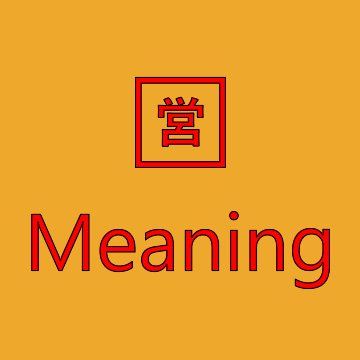
Means “work” in Japanese. This Emoji used to mean “open for business” and precedes business hours. CJK Ideographs are characters used in Chinese, Japanese and …
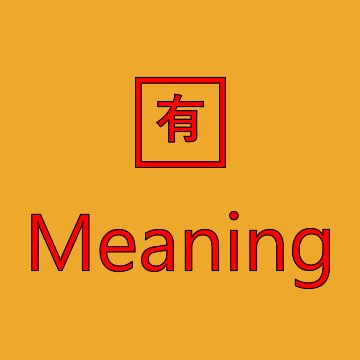
This emoji means to own or posses. CJK Ideographs are characters used in Chinese, Japanese and Korean languages. Their writing systems all completely or partly …
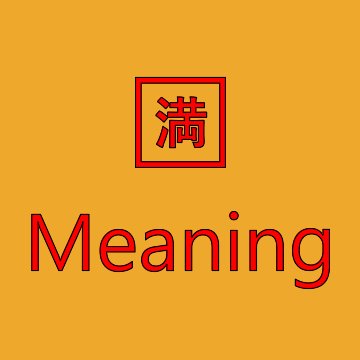
This emoji means “full” in Japanese, usually used to denote “full capacity” such as a gas/petrol tank on a car or pre-paid phone card. CJK …
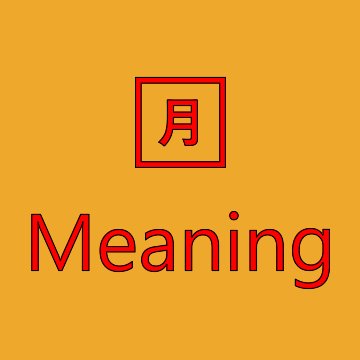
CJK Ideographs are characters used in Chinese, Japanese and Korean languages. Their writing systems all completely or partly use Chinese characters. Means “moon” or “month” in …

Means “Here” in Japanese, referring to a destination. Japanese “Here” Button was approved as part of Unicode 6.0 in 2010 under the name “Squared Katakana …

This means to lack, or have none of something. CJK Ideographs are characters used in Chinese, Japanese and Korean languages. Their writing systems all completely …

Ornamental Japanese Emperor and Empress dolls, as displayed in celebration of Hinamatsuri on March 3 in Japan (Girls’ or Dolls’ Day). Generally depicted as a …

Symbol for a sale, or bargain prices in Japan (“cut prices”). Literally translated, this character means to cut or divide. CJK Ideographs are characters used in Chinese, …
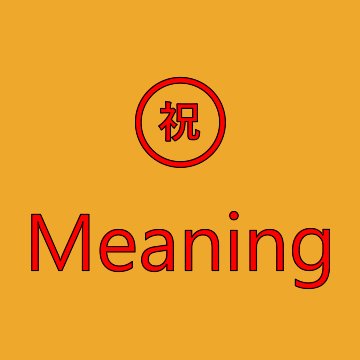
Translated from Japanese, this means “congratulations” or “pray for happiness”.Japanese “Congratulations” Button was approved as part of Unicode 1.1 in 1993 under the name “Circled …

A traditional Japanese Castle (城, shiro or jō), usually made from stone and wood.Japanese Castle was approved as part of Unicode 6.0 in 2010 and …
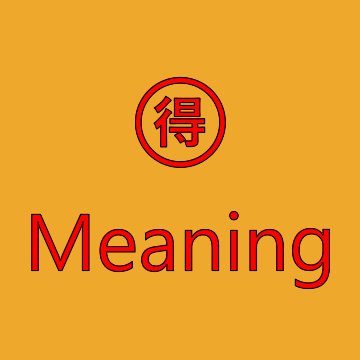
Denotes a “good bargain” in Japanese. Japanese “Bargain” Button was approved as part of Unicode 6.0 in 2010 under the name “Circled Ideograph Advantage” and …

This Emoji has two meanings. One meaning is “request” in Japanese. An alternative meaning is “monkey” in the Chinese zodiac. It is commonly used in …
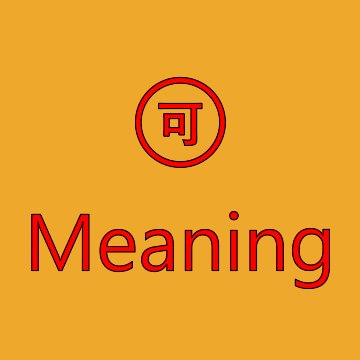
Japanese “Acceptable” Button was approved as part of Unicode 6.0 in 2010 under the name “Circled Ideograph Accept” and added to Emoji 1.0 in 2015. …
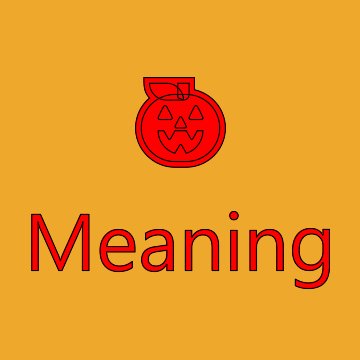
An orange pumpkin carved into the shape of a face and commonly known as a Jack-o’-lantern. See also Halloween.Jack-O-Lantern was approved as part of Unicode …
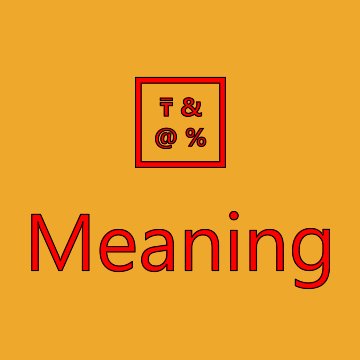
A symbol showing the following glyphs: 〒 (Japanese postal mark), 𝅘𝅥𝅮 (music note), & (ampersand, or sometimes an @ symbol) and % (percentage sign). Intended to be used …
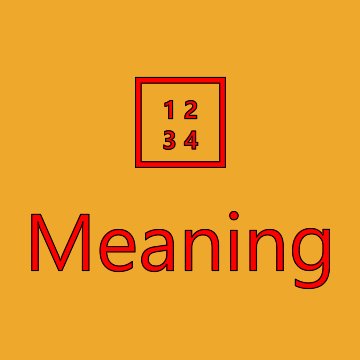
A symbol showing the numbers 1, 2, 3 and 4. Intended to be used on a software keyboard, or other input screen to enable numeric input, as …
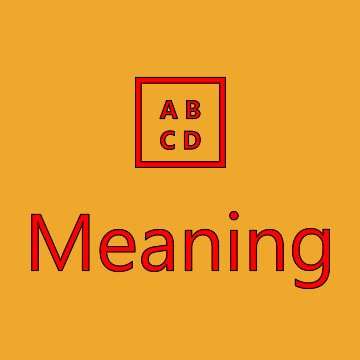
A symbol showing the capital letters A, B, C and D. Intended to be used on a software keyboard, or other input screen to toggle capital letter input. Input …

A symbol showing the lowercase letters a, b, c and d. Intended to be used on a software keyboard, or other input screen to toggle lowercase letter input. …
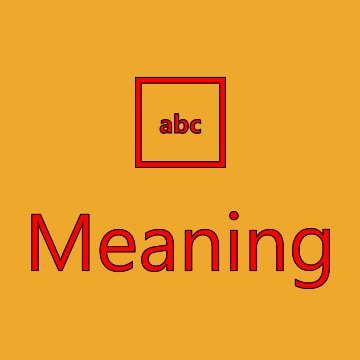
A symbol showing the lowercase letters a, b, c and d. Intended to be used on a software keyboard, or other input screen to enable …
A lowercase letter i, enclosed in a rounded square or circle. Implemented in apps or websites to indicate that help or further information is available. May be used as …

The symbol for infinity enclosed within a circle or square. Originally encoded as a symbol to represent acid-free paper, this permanent paper sign was later given emoji …